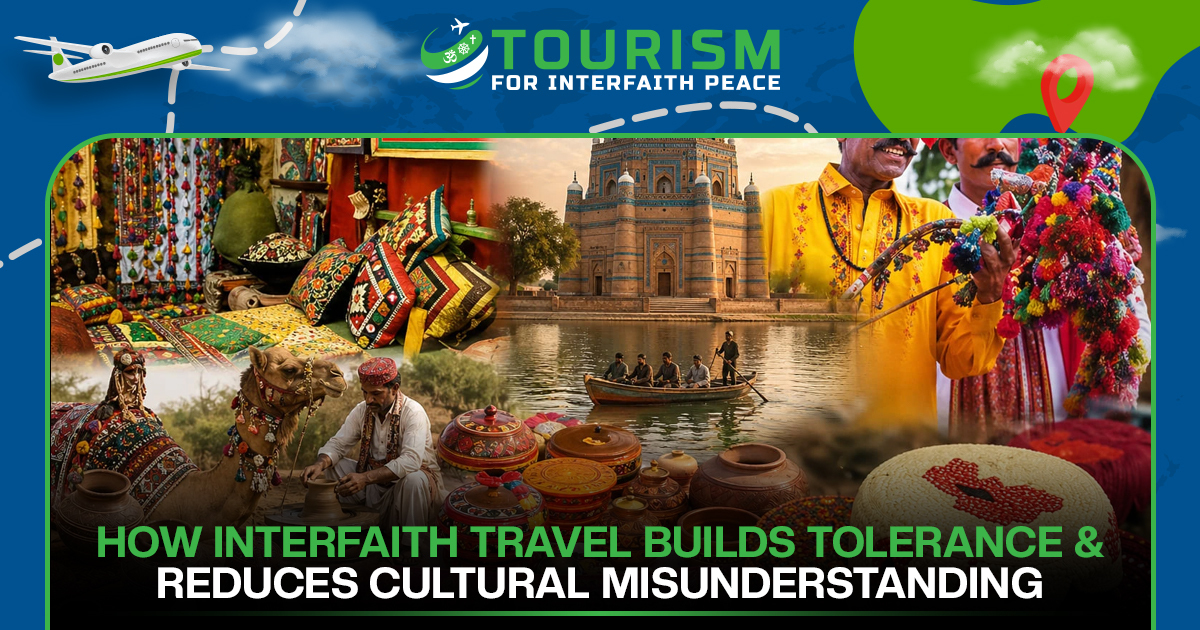
Interfaith travel builds tolerance by allowing people to experience different religions and cultures directly instead of relying on assumptions. When travelers visit places of worship, interact with communities, and observe traditions, they begin to understand the meaning behind practices. This replaces misunderstanding with clarity and helps people see others with more respect.
In simple terms, interfaith travel promotes tolerance because it turns unfamiliar beliefs into real, lived experiences. What once felt distant or different becomes relatable and understandable.
In this blog, we will discuss how Interfaith travel builds tolerance and reduces cultural misunderstanding.
What Is Interfaith Travel and Why It Matters
Interfaith travel is a form of tourism where people explore different religious and cultural environments through direct interaction. It includes visiting mosques, temples, churches, gurdwaras, and other spiritual spaces while learning how communities practice their beliefs in daily life.
This type of travel matters because most cultural misunderstandings are not based on facts, but on distance. When people do not interact with other cultures, they rely on limited or second-hand information.
Interfaith travel closes this gap by:
- Creating real exposure instead of assumptions
- Allowing people to observe traditions in context
- Helping travelers understand the human side of religion
This shift from indirect knowledge to real experience is what makes interfaith travel powerful.
How Interfaith Travel Promotes Tolerance
Tolerance is not something that develops through reading or listening alone. It grows through direct experience and interaction.
Direct Exposure Changes Perspective
When travelers enter a place of worship that is not their own, they begin to notice details that are often misunderstood from the outside.
They observe:
- Discipline and structure in rituals
- Respect and silence within sacred spaces
- A strong sense of belonging within communities
These observations help travelers realize that practices are not unusual or extreme. They are meaningful expressions of belief.
Over time, this changes how people interpret differences. Instead of seeing them as barriers, they begin to see them as variations of shared human values.
Human Interaction Builds Connection
Tolerance grows when people move beyond labels and interact as individuals.
During interfaith travel, these interactions often include:
- Conversations with local residents or caretakers of religious sites
- Sharing meals or participating in community traditions
- Observing how people live their daily lives
These moments create personal connections. When people interact directly, they stop seeing “groups” and start seeing individuals.
This human connection is one of the strongest ways to build tolerance.
Familiarity Reduces Fear
Fear is often a result of unfamiliarity. When people do not understand something, they tend to avoid it or form negative assumptions.
Interfaith travel replaces unfamiliarity with familiarity.
For example:
- A traveler may expect restricted environments but experience openness and hospitality
- Someone may assume major differences but discover shared values like respect and generosity
As familiarity increases, fear naturally decreases. This is where tolerance begins to develop in a real and lasting way.
How Interfaith Travel Helps Reduce Cultural Misunderstanding
Cultural misunderstanding often comes from incomplete knowledge and lack of context. Interfaith travel addresses both by providing real-world exposure.
Moving Beyond Stereotypes
Stereotypes are often formed without direct interaction. They are based on generalizations rather than real experiences.
Interfaith travel challenges these stereotypes by allowing travelers to:
- Engage directly with communities
- Observe traditions in their natural setting
- Understand the reasons behind practices
As a result, people replace assumptions with informed understanding. This helps break down misconceptions at a deeper level.
Understanding Context, Not Just Culture
Many cultural practices cannot be understood without context. What may seem unusual from the outside often has a clear meaning when seen in the right setting.
For example:
- Dress codes in religious places represent respect and modesty
- Rituals reflect discipline, belief, and community identity
Interfaith learning experiences allow travelers to understand not just what people do, but why they do it. This deeper understanding reduces misinterpretation.
Tourism for Cultural Understanding in Pakistan
Pakistan offers a strong foundation for tourism focused on cultural understanding due to its diverse religious and historical background.
Across the country, travelers can experience:
- Islamic heritage through mosques and Sufi shrines that remain active today
- Sikh heritage at Kartarpur, a globally significant site
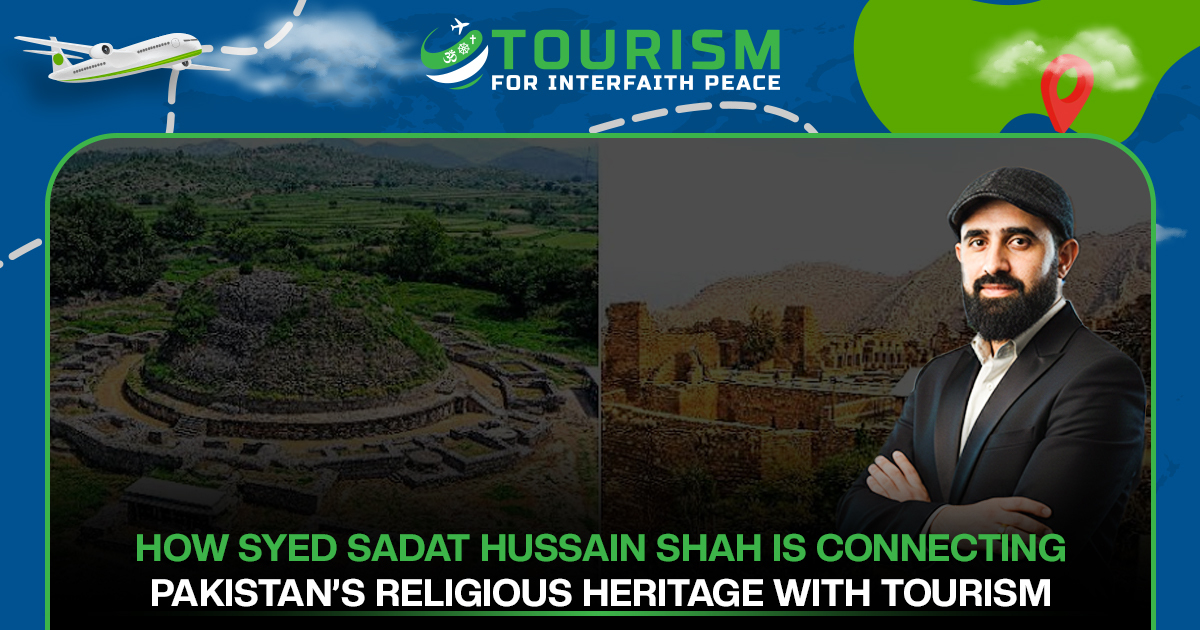
- Buddhist history in regions like Taxila and Swat
- Hindu temples that reflect long-standing traditions
- Churches representing Christian communities
This diversity creates an environment where interfaith learning experiences happen naturally.
Visitors are not only seeing history. They are witnessing living traditions.
Religious Harmony Tourism in Pakistan
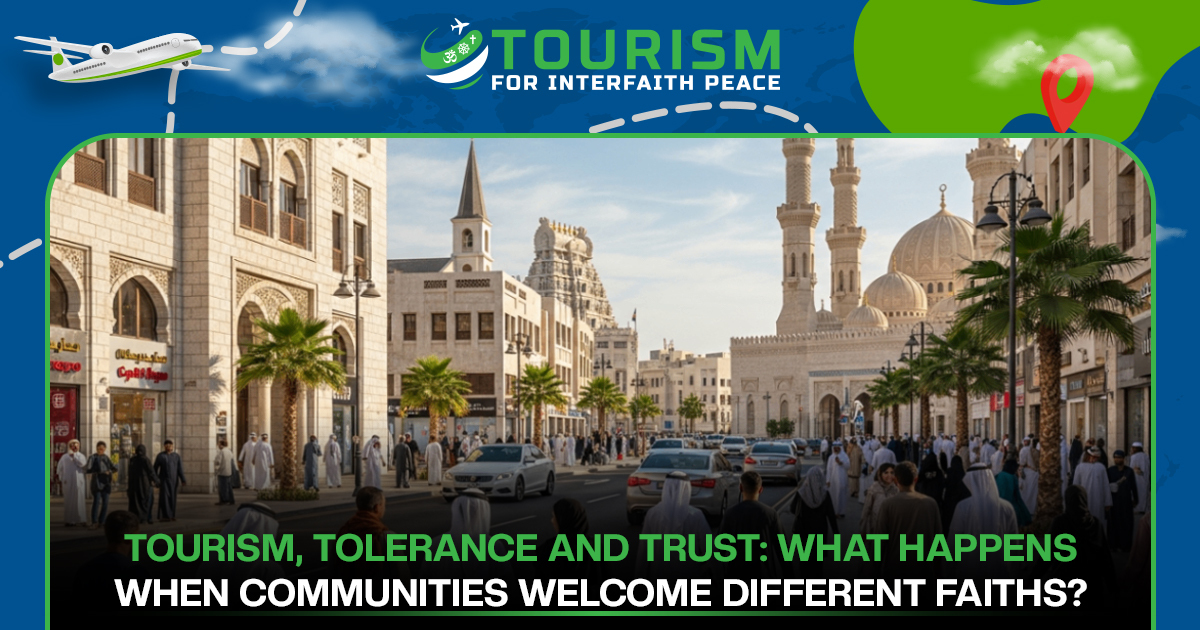
Pakistan’s history reflects coexistence across multiple faiths. This coexistence becomes visible when travelers explore different religious sites within the same region.
Through these experiences, visitors begin to understand how communities have lived alongside each other over time.
Initiatives like Tourism for Interfaith Peace are working to organize these experiences into meaningful journeys that promote understanding.
Under the leadership of Syed Sadat Hussain Shah, the focus is on using tourism not just for economic benefit, but as a tool to build harmony and strengthen global connections.
Examples of Interfaith Learning Experiences
Interfaith learning is most effective when it happens through real situations rather than structured lessons.
Examples include:
- Sharing meals at community kitchens in gurdwaras, where equality is practiced
- Attending gatherings at Sufi shrines, where spiritual connection is emphasized
- Visiting historical religious sites with local guides who explain their significance
- Participating in cultural events that bring together multiple communities
These experiences allow travelers to learn naturally, without formal instruction. They create understanding through participation and observation.
Why This Matters in Today’s World
Today, people are more connected than ever, yet misunderstandings still exist. Information is widely available, but real understanding is often missing.
Interfaith travel provides a practical way to address this.
It helps:
- Reduce cultural misunderstanding in travel
- Promote tolerance through real experience
- Build connections between different communities
This makes interfaith travel more than just a form of tourism. It becomes a tool for social awareness and cultural progress.
Conclusion
Interfaith travel plays an important role in building tolerance and reducing cultural misunderstanding. Creating real experiences and encouraging human connection, it helps people move beyond assumptions and develop a clearer understanding of others.
In countries like Pakistan, where diverse traditions exist together, this approach to tourism has strong potential. When practiced with awareness and respect, it not only benefits travelers but also contributes to long-term harmony between communities.
FAQs
Q. How does interfaith travel promote tolerance?
It promotes tolerance by allowing people to experience different cultures and religions directly, helping them understand practices instead of assuming them.
Q. Can interfaith travel reduce cultural misunderstanding?
Yes, because it replaces stereotypes with real experiences and provides context behind traditions.
Q. What are interfaith learning experiences?
They are real-life experiences where travelers learn about different cultures through interaction, observation, and participation.
Q. Why is Pakistan important for interfaith tourism?
Pakistan has a diverse religious heritage and historical sites, making it a strong destination for cultural understanding and harmony-based tourism.
Q. What should travelers keep in mind during interfaith travel?
They should stay respectful, observe local customs, ask thoughtful questions, and focus on learning rather than judging.