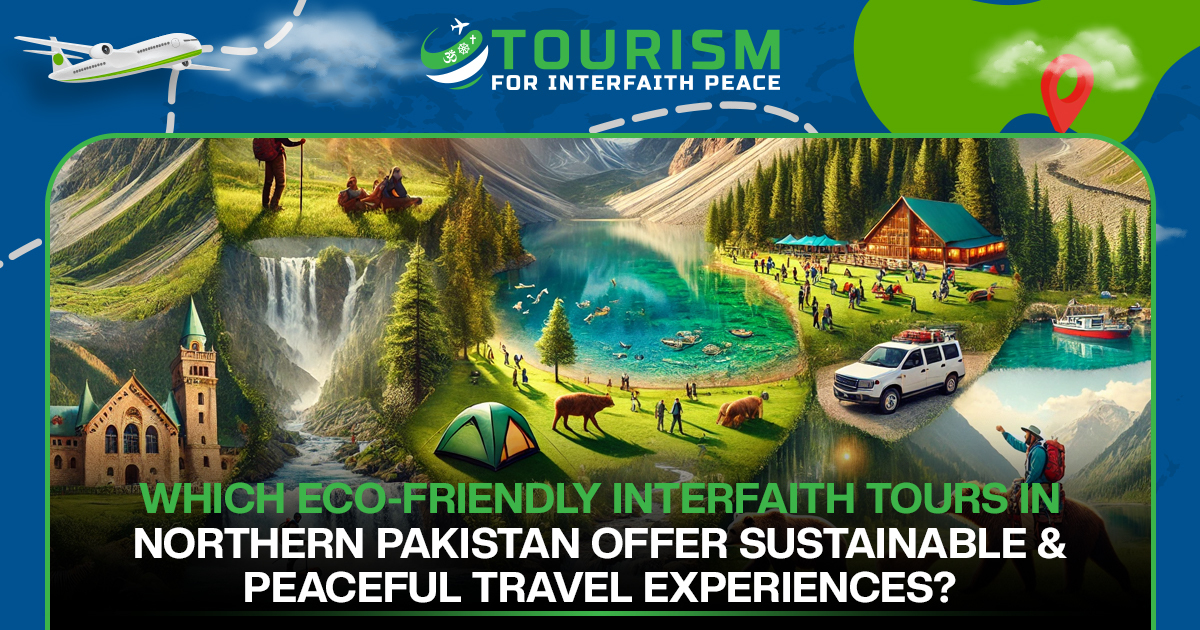
Travelers searching for eco-friendly tourism in Pakistan often want more than scenic views. They want journeys that are responsible, culturally meaningful, and peaceful. Northern Pakistan offers exactly that through interfaith travel experiences that combine sustainability with deep cultural understanding. These tours allow visitors to explore nature while learning how different communities live together with respect and harmony.
In this blog, we will discuss which eco-friendly interfaith tours in Northern Pakistan offer sustainable and peaceful travel experiences, and how they create real value for both travelers and local communities.
Understanding Eco-Friendly Interfaith Travel in Northern Pakistan
Eco-friendly tourism in Pakistan has evolved over the years, especially in the northern regions where natural landscapes are sensitive, and communities rely on balanced tourism for their livelihoods. Interfaith travel in Northern Pakistan adds another layer to this by connecting travelers with diverse cultural and spiritual traditions that have coexisted for centuries.
In places like Gilgit-Baltistan and Hunza, it is common to see communities practicing different sects and traditions while maintaining harmony. This lived experience of coexistence is what makes interfaith travel here authentic rather than staged.
Sustainable tours in these regions are designed to protect both the environment and the cultural identity of local communities. They avoid mass tourism patterns and instead focus on slower, more thoughtful travel.
Cultural Heritage Tours That Reflect Shared History
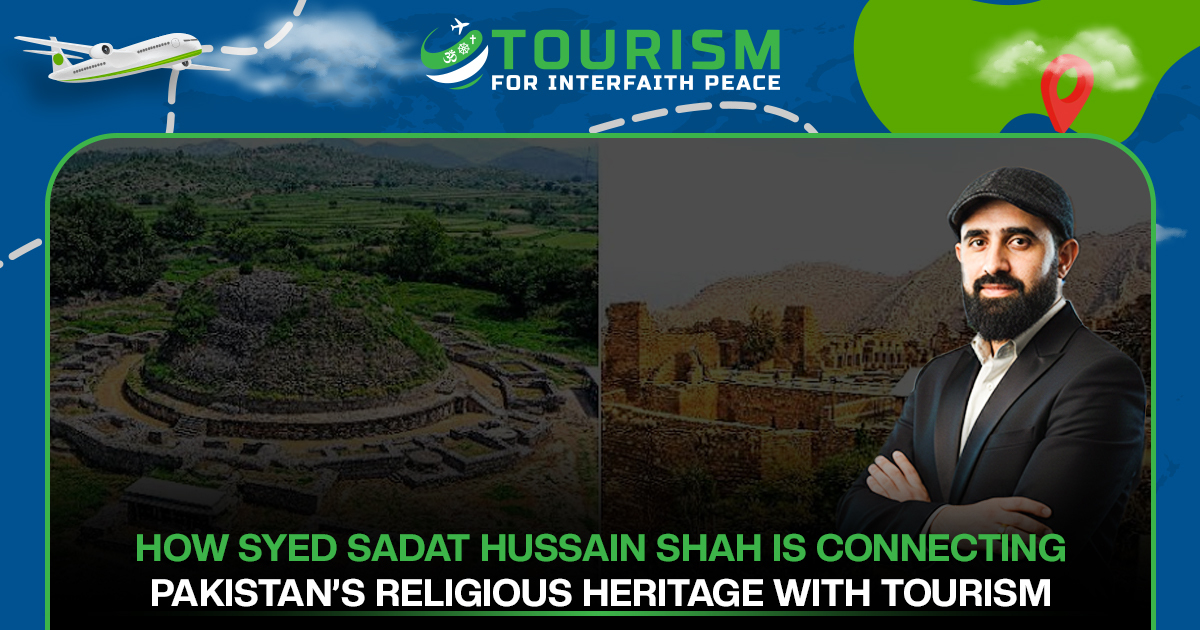
One of the most grounded ways to experience interfaith travel in Northern Pakistan is through cultural heritage tours. These tours often include ancient sites linked to the Gandhara civilization, local traditions influenced by Sufi thought, and village-level practices that reflect centuries of peaceful coexistence.
From field experience and regional travel patterns, it is clear that travelers who engage with local historians or community elders gain a deeper understanding of how different beliefs have shaped the region. These are not scripted narratives. They come from lived history, passed down through generations.
Also Read: Responsible Tourism: How Interfaith Travelers Can Make a Positive Impact
Such tours also help preserve heritage by creating economic value around cultural knowledge, encouraging communities to protect their traditions rather than abandon them.
What Makes Interfaith Travel in Northern Pakistan Unique
Northern Pakistan is not just about mountains and landscapes. It is also home to centuries-old traditions, diverse communities, and shared cultural history.
Interfaith travel in Northern Pakistan focuses on:
- Visiting sites linked to different beliefs and traditions
- Understanding how communities coexist peacefully
- Learning local customs through direct interaction
This approach turns a regular trip into a meaningful cultural experience.
Types of Eco-Friendly Interfaith Tours in Northern Pakistan
1. Cultural Heritage Tours in Gilgit-Baltistan
Gilgit-Baltistan offers some of the most balanced examples of sustainable tours.
Travelers can:
- Explore ancient rock carvings and Buddhist heritage sites
- Visit traditional villages where different communities live together
- Learn how local cultures have preserved harmony over time
These cultural heritage tours focus on education and respect rather than quick sightseeing.
2. Community-Based Tours in Hunza Valley
Hunza is often seen as a model for eco-friendly tourism in Pakistan.
Tours here usually include:
- Homestays with local families
- Visits to historical forts like Baltit and Altit
- Discussions with locals about traditions, beliefs, and coexistence
Because tourism is managed carefully, it supports the local economy without damaging the environment.
3. Spiritual and Nature Tours in Skardu
Skardu offers a mix of natural beauty and spiritual calm.
These tours focus on:
- Quiet travel experiences near lakes and valleys
- Visits to Sufi-influenced cultural sites
- Reflection-based travel rather than fast-paced tourism
Such tours are ideal for travelers looking for peace alongside exploration.
4. Heritage and Faith Routes Linked to Gandhara Civilization
Northern Pakistan connects to the broader Gandhara region, which holds significance for Buddhist heritage.
These tours include:
- Exploration of ancient Buddhist sites
- Learning about historical links between cultures and religions
- Understanding how shared heritage can promote peace today
They are especially relevant for international visitors interested in history and interfaith dialogue.
The Role of Tourism for Interfaith Peace in Promoting Responsible Travel
Tourism for Interfaith Peace (TIP) has been working to position Pakistan as a destination where tourism can support both harmony and sustainability. The initiative focuses on creating awareness around interfaith travel, encouraging travelers to explore beyond mainstream routes, and highlighting the importance of responsible tourism practices.
What sets this approach apart is its emphasis on purpose-driven travel. Instead of promoting destinations in isolation, it connects them with broader themes of peace, coexistence, and shared cultural identity.
This aligns with global shifts in tourism where travelers are increasingly looking for experiences that are meaningful, not just visually appealing.
What Defines Eco-Friendly Tourism in Pakistan
Eco-friendly tourism in Pakistan is about minimizing harm and creating value for local communities.
How Sustainable Tours Work
- Using local guides and services
- Supporting small businesses and artisans
- Reducing plastic and waste during travel
- Respecting local traditions and natural spaces
In Northern areas, where ecosystems are fragile, these practices are essential, not optional.
Leadership and Vision Behind the Movement
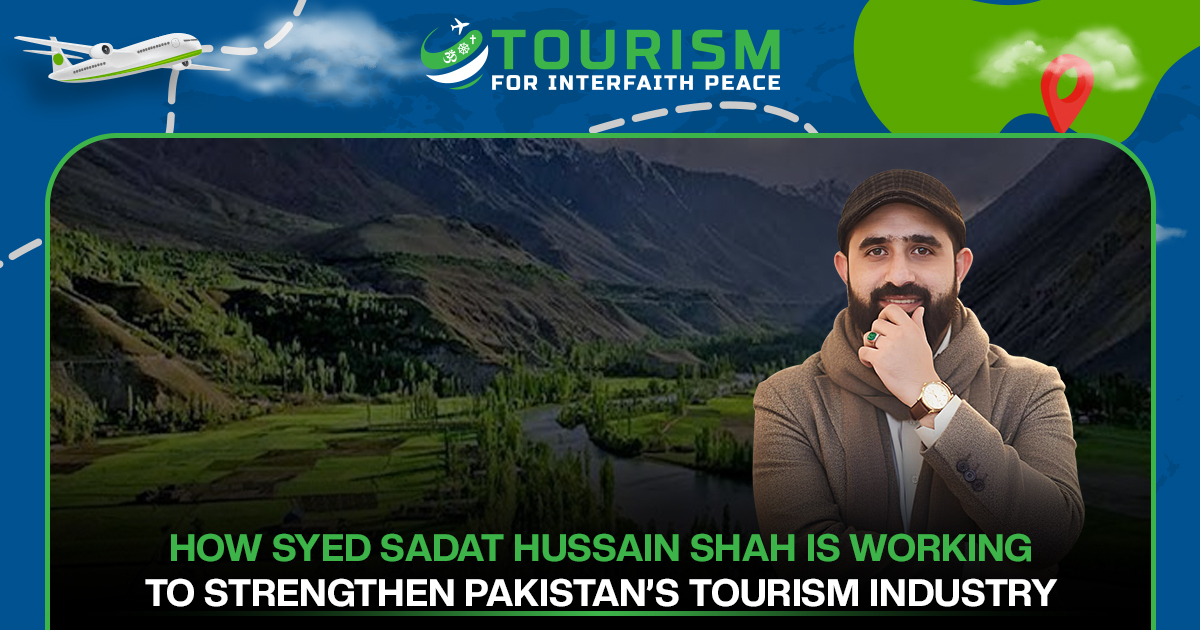
Efforts to promote sustainable and interfaith tourism in Pakistan are often shaped by leadership that understands both local realities and global expectations. Syed Sadat Hussain Shah has been part of this conversation by encouraging initiatives that link tourism with peacebuilding.
The importance of such leadership lies in its ability to frame tourism not as an industry alone, but as a platform for dialogue. When tourism is approached with this mindset, it naturally becomes more responsible and inclusive.
How to Choose the Right Eco-Friendly Tour
When selecting a tour in Northern Pakistan, look for:
- Local partnerships and community involvement
- Clear sustainability practices
- Cultural sensitivity in itineraries
- Smaller group sizes
A good tour is not just about places visited, but how those places are experienced.
Conclusion
Eco-friendly interfaith tours in Northern Pakistan offer more than scenic travel. They provide a way to understand cultures, respect nature, and experience peace through shared heritage.
By combining sustainable tourism with interfaith dialogue, these tours create meaningful journeys that benefit both travelers and local communities. Initiatives like Tourism for Interfaith Peace are helping shape this approach, showing that travel can connect people while preserving what matters most.
FAQs
Q. What is eco-friendly tourism in Pakistan?
Eco-friendly tourism in Pakistan focuses on responsible travel that protects natural environments and supports local communities.
Q. What is interfaith travel?
Interfaith travel involves visiting places and communities connected to different religions to promote understanding and respect.
Q. Which areas in Northern Pakistan are best for sustainable tours?
Hunza, Skardu, and Gilgit-Baltistan are among the best regions for sustainable and community-based tourism.
Q. How do cultural heritage tours promote peace?
They help people understand shared history and traditions, reducing misunderstandings and building respect across cultures.
Q. How can travelers ensure responsible tourism?
Travelers can choose local guides, avoid waste, respect traditions, and support community-based initiatives.