Travelers can participate in workshops and interfaith dialogues by joining community-led initiatives, engaging in structured cultural exchanges, and taking part in local discussions that promote understanding between different belief systems. These experiences allow visitors to move beyond sightseeing and actively engage with communities, contributing to meaningful cultural engagement, travel, and peace-building tourism.
In recent years, travel has shifted from observation to participation. Many travelers now seek deeper experiences where they can interact with local communities, understand their perspectives, and become part of a shared cultural exchange. Interfaith workshops in Pakistan offer exactly this opportunity by creating spaces for dialogue, reflection, and connection.
In this blog, we will discuss how these workshops work in real situations, how travelers can access them, and how they contribute to community tourism and long-term cultural understanding.
Why Interfaith Workshops Matter in Modern Travel
Interfaith workshops are important because they create structured environments where people from different cultural and religious backgrounds can interact respectfully. Unlike casual conversations, these sessions are designed to encourage listening, reflection, and shared learning.
Institutions like UNESCO highlight the role of cultural dialogue in preserving heritage and reducing conflict. In travel contexts, this translates into experiences where visitors do not just observe differences but understand their origins and significance.
For travelers, this matters because it changes the purpose of travel. Instead of collecting destinations, they begin to understand societies, values, and histories through direct interaction.
What Interfaith Workshops in Pakistan Actually Look Like
In Pakistan, interfaith workshops are often community-driven and informal in structure, which makes them more accessible and authentic. These are not always large conferences or academic sessions. Instead, they take place in community centers, cultural spaces, or even within local villages.
A typical workshop involves guided conversations where participants share their traditions, daily practices, and perspectives on coexistence. These sessions are often combined with visits to heritage sites, allowing travelers to connect historical context with present-day realities.
What makes these workshops effective is their simplicity. There is no pressure to debate or prove a point. The focus remains on understanding, which creates a more open and respectful environment.
An Experience of Interfaith Dialogue During Travel
A practical example helps explain how these interactions unfold.
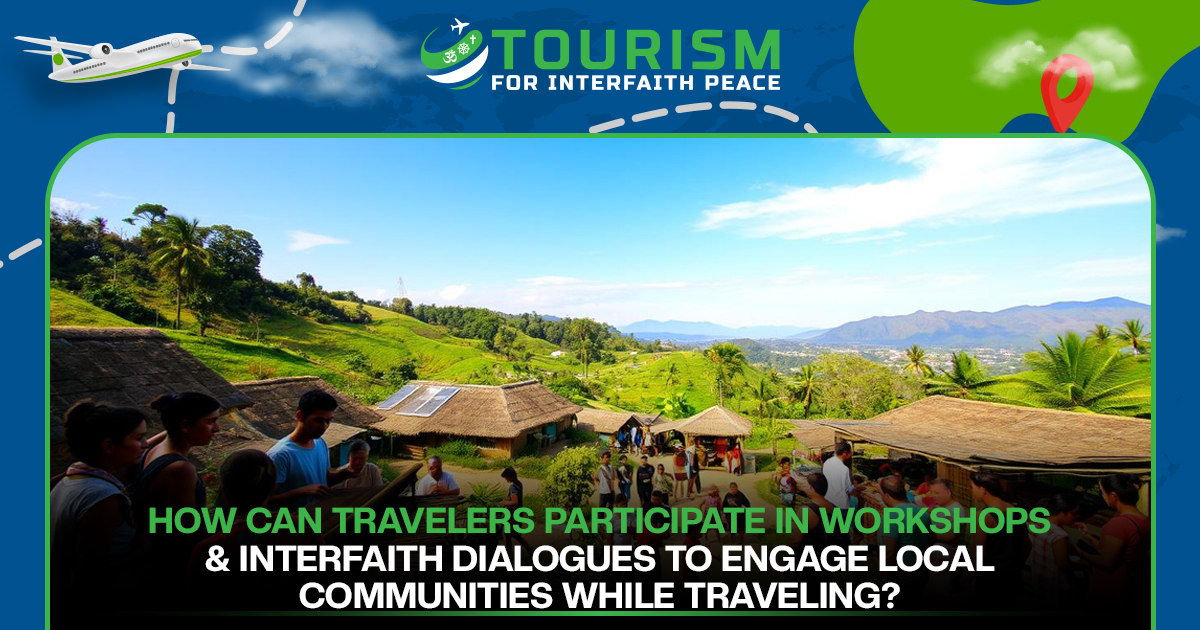
During a community engagement program in northern Pakistan, a small group of travelers joined a dialogue session organized by local facilitators. The session included local youth, elders, and visitors from different backgrounds.
In the beginning, the conversation focused on everyday topics such as education, traditions, and local customs. As the discussion progressed, participants began sharing their views on identity, faith, and cultural practices.
One traveler noted that the most impactful moment was not during the formal discussion, but afterward, when smaller groups formed and conversations became more personal. These informal exchanges allowed participants to ask questions freely and understand perspectives without hesitation.
This experience reflects how interfaith dialogue works in reality. It develops gradually through trust and interaction, not through structured debate.
How Travelers Can Join Interfaith Workshops
Through Local Community Programs
Many workshops are organized at the community level, often through cultural groups or local initiatives.
Travelers can:
- Connect with local guides or community leaders
- Join cultural exchange programs
- Participate in village or community events
These opportunities are often not advertised widely, so building local connections is important.
Through Structured Initiatives and Platforms
Organizations like Tourism for Interfaith Peace and YES Pakistan are working to promote interfaith workshops and cultural engagement travel.
Under the vision of Syed Sadat Hussain Shah, such initiatives aim to create spaces where travelers and communities can interact meaningfully.
These platforms often provide:
- Organized workshops and dialogue sessions
- Guided cultural experiences
- Opportunities for youth and travelers to collaborate
This structured approach makes participation easier and more impactful.
How Interfaith Engagement Strengthens Community Tourism
Community tourism is built on interaction rather than observation. When travelers participate in interfaith workshops, they become part of the local environment instead of remaining external observers.
This form of engagement allows communities to share their stories directly, rather than having them interpreted through guides or media. At the same time, travelers gain a deeper and more accurate understanding of the culture.
From a broader perspective, this creates a more balanced tourism model. Local communities benefit from economic activity, while travelers gain meaningful experiences that go beyond traditional tourism.
Over time, this contributes to peace-building tourism by reducing stereotypes and encouraging mutual respect.
Practical Insights for Meaningful Participation
Participating in interfaith workshops requires more than just attendance. The quality of the experience depends on how travelers engage with the process.
From real-world travel patterns, the most meaningful experiences happen when travelers focus on listening rather than speaking. Asking thoughtful questions, showing curiosity, and respecting cultural boundaries create a positive environment for dialogue.
It is also important to understand that discomfort is part of the process. Conversations around identity and belief can feel unfamiliar, but these moments often lead to deeper understanding.
Travelers who approach these experiences with patience and openness tend to gain the most value.
Challenges in Interfaith and Community-Based Travel
While interfaith engagement offers significant value, it is not without challenges. Language differences can limit communication, and cultural misunderstandings may occur, especially when discussing sensitive topics.
However, these challenges are part of the learning experience. In practice, most issues are resolved through respectful communication and a willingness to understand.
Structured workshops often include facilitators who help guide discussions and ensure that conversations remain constructive. This makes the experience more comfortable for both travelers and local participants.
Why This Approach Matters for Peace-Building Tourism
Peace-building tourism focuses on creating understanding through experience.
Interfaith workshops contribute to this by:
- Encouraging dialogue instead of assumptions
- Creating safe spaces for cultural exchange
- Building connections across different communities
In regions like Pakistan, where cultural diversity is strong, these interactions help present a more accurate and human perspective of society.
Conclusion
Travelers can participate in workshops and interfaith dialogues by actively engaging with local communities, joining structured programs, and approaching cultural experiences with openness and respect. These interactions transform travel into a meaningful exchange rather than a passive activity.
Interfaith workshops in Pakistan and community tourism initiatives provide opportunities for deeper understanding, shared learning, and peace-building tourism. When approached thoughtfully, these experiences create lasting impact for both travelers and local communities.
FAQs
Q. What are interfaith workshops in Pakistan?
Interfaith workshops are community-based or organized sessions where individuals from different backgrounds share perspectives, traditions, and experiences.
Q. How can travelers participate in interfaith dialogues?
Travelers can join through local community connections or structured programs offered by organizations focused on cultural engagement travel.
Q. What is community tourism?
Community tourism involves direct interaction between travelers and local communities, creating shared experiences and mutual understanding.
Q. Why is interfaith dialogue important in travel?
It helps reduce misunderstandings, promotes respect, and builds meaningful connections across cultures.
Q. How can travelers engage respectfully in these workshops?
By listening actively, asking thoughtful questions, and respecting cultural differences.