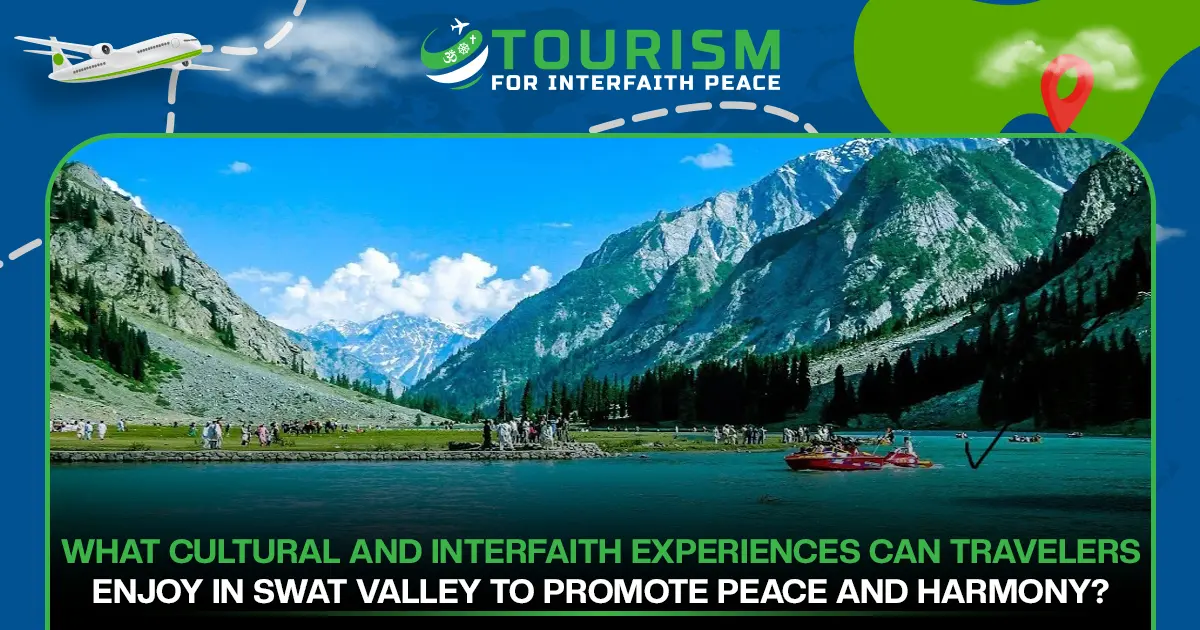
Travelers in the Swat Valley can experience cultural traditions, ancient Buddhist heritage, local hospitality, and guided interfaith visits that encourage understanding and peaceful connections between communities. Swat cultural tourism offers more than scenic beauty, it allows visitors to see how history, faith, and daily life come together in a spirit of harmony.
Swat is also called the “Switzerland of Pakistan,” and is known for its mountains and rivers. But beyond nature, it holds centuries of spiritual history. From Buddhist monasteries to mosques and local cultural traditions, interfaith travel in Swat offers meaningful experiences rooted in respect and shared heritage.
In this blog, we will discuss what cultural and interfaith experiences travelers can enjoy in the Swat Valley to promote peace and harmony.
Experiences Travelers Enjoy in the Swat Valley
Swat Valley is home to an extensive range of cultural traditions and legacies in addition to its stunning scenery and adventurous hiking trails. Throughout history, Swat, sometimes referred to as the “Land of the Gandhara Civilization,” has been home to many cultures, religions, and kingdoms.
Exploring Swat’s cultural heritage is essential if you enjoy nature mixed with a little bit of history and culture. The Swat Valley is a historical and cultural wonder for the following reasons.
Also Read: How Cultural Experiences Foster Peace and Understanding in Tourism
Walking Through Ancient Buddhist Heritage Sites
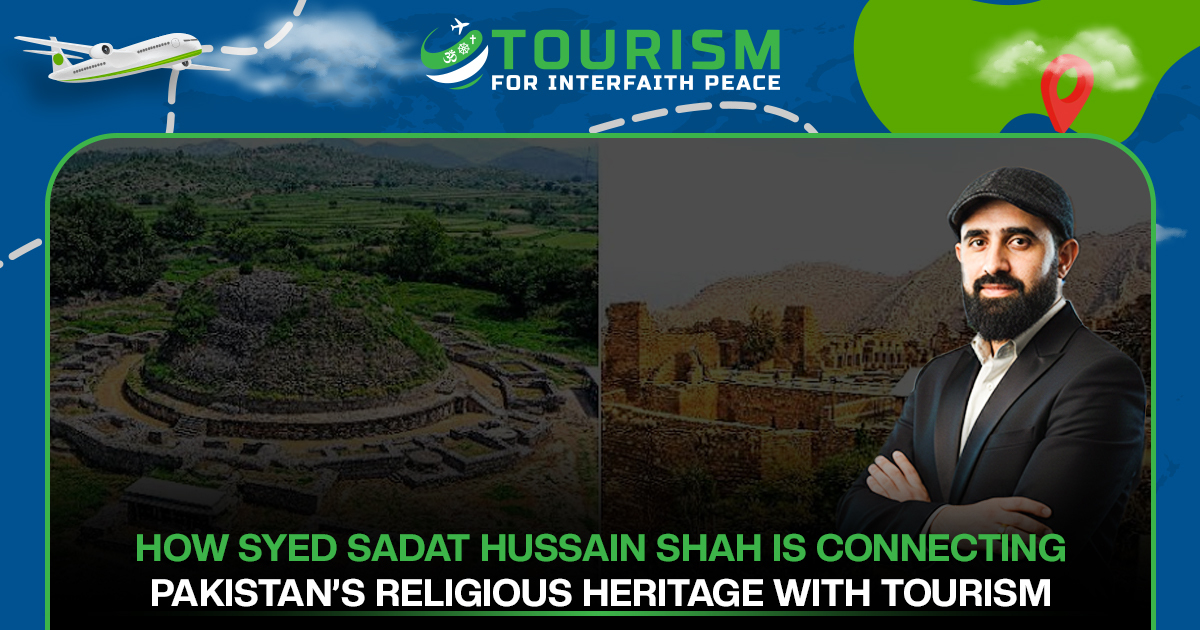
One of the most powerful experiences in interfaith travel in Swat is visiting ancient Buddhist ruins. Sites like the Butkara Stupa near Mingora allow travelers to see how Swat was once a major center of Buddhist learning under the Gandhara civilization.
Standing among centuries-old stone remains gives visitors a real sense of history. It helps people understand how different faith traditions have shaped the region over time. These heritage tours in Swat are not just educational, they create respect for shared human heritage.
Exploring the Swat Museum for Historical Context
The Swat Museum in Saidu Sharif offers an important background before visiting archaeological sites. Travelers can see Buddhist sculptures, ancient coins, and cultural artifacts that explain the valley’s spiritual and cultural journey.
This experience helps visitors connect the past with the present, making cultural travel in Pakistan more meaningful rather than just visual sightseeing.
Visiting Local Mosques and Community Spaces
Travelers who respectfully visit local mosques or speak with community elders often gain deeper insight into Swat’s Islamic traditions. Observing daily prayers or community gatherings helps break misconceptions and build empathy.
Interfaith travel is not about comparing religions. It is about understanding how faith shapes daily life and community values. The Shingardar Stupa, White Palace Marghazar, and the grand mosques of Mingora are prime examples of Swat’s architectural richness. These structures tell tales of Swat’s transition from a Buddhist stronghold to a region enriched by Islamic culture.
Participating in Local Cultural Life
Swat cultural tourism also includes music, handicrafts, and traditional festivals. Travelers who attend local gatherings often see how art and culture unite communities beyond religious identity.
Swat cultural tourism includes experiencing local traditions such as:
- Pashtun music gatherings
- Traditional food experiences
- Handicraft markets featuring shawls and woodwork
When travelers interact with artisans or attend small community events, they see how culture connects people beyond religious differences. These moments create informal but meaningful peace-building experiences.
Swat’s Spiritual and Cultural Background
Swat Valley has been home to different civilizations, including the ancient Gandhara Buddhist civilization and later Islamic communities. This layered history makes it one of the most important regions for peace tourism in Pakistan.
When travelers walk through archaeological ruins in Butkara or visit the Swat Museum in Saidu Sharif, they see how Buddhism once flourished here. At the same time, mosques and local shrines reflect the region’s Islamic identity. This mix of past and present creates a strong foundation for interfaith understanding.
Experience Swat Valley’s Cultural Richness Through Guided Tours
Experience Swat Valley’s cultural richness and interfaith harmony through guided tours. Local guides trained in heritage interpretation explain historical timelines, religious shifts, and cultural practices in simple ways.
Guided heritage tours in Swat make a difference because:
- Visitors learn context, not just facts.
- Cultural misunderstandings are avoided.
- Respect for sacred spaces is maintained.
In 2026, peace tourism in Pakistan is increasingly focused on responsible travel. Working with trained guides ensures visitors engage thoughtfully and safely.
Tips for Meaningful Interfaith Travel in Swat
Travelers can promote peace and harmony by following simple guidelines:
- Dress modestly at religious or historical sites.
- Ask before taking photos of people.
- Travel with local guides for a better understanding.
- Support local businesses during heritage tours in Swat.
Small, respectful actions build trust and positive experiences.
Why Swat Matters for Peace Tourism in Pakistan
Swat is important for peace tourism in Pakistan because it shows how a region can honor its ancient Buddhist past while embracing its present identity. This balance teaches an important lesson. Civilizations evolve, but heritage connects people across time.
Interfaith travel in Swat allows visitors to witness that peace is not a theoretical idea. It is built through understanding, dialogue, and shared human values.
Conclusion
Swat Valley offers cultural and interfaith experiences that go beyond sightseeing. Through Buddhist heritage sites, local mosques, guided tours, and traditional gatherings, travelers can engage in meaningful peace-focused journeys. Swat cultural tourism is not just about history, it is about learning how diverse traditions can coexist with respect and harmony.
FAQs
What is Swat cultural tourism?
Swat cultural tourism focuses on exploring the valley’s history, traditions, Buddhist heritage, and local customs to better understand its cultural identity.
Is interfaith travel at Swat suitable for international visitors?
Yes, with proper planning and guided tours, Swat is welcoming to international travelers interested in cultural and spiritual learning.
What are the main heritage tours Swat offers?
Heritage tours in Swat usually include Buddhist archaeological sites, the Swat Museum, historic villages, and cultural landmarks.
How does Swat support peace tourism in Pakistan?
By preserving Buddhist ruins alongside Islamic cultural traditions, Swat promotes historical awareness and peaceful coexistence.
When is the best time to visit Swat for cultural travel?
Spring and summer are ideal due to pleasant weather and easier access to outdoor heritage sites.