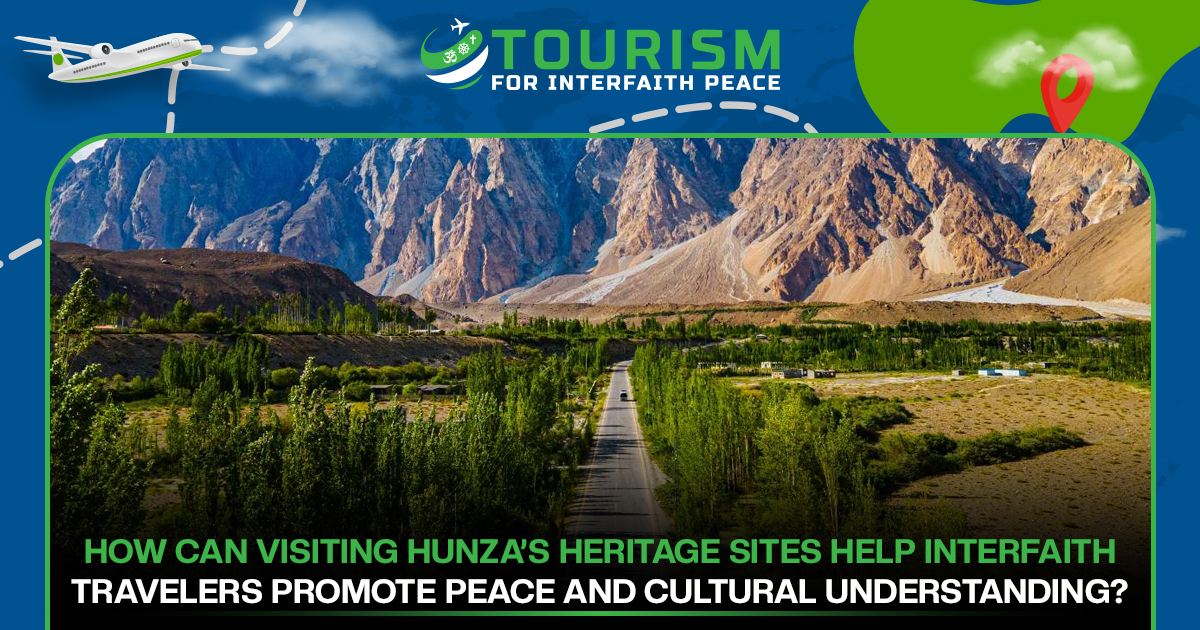
Visiting Hunza’s heritage sites helps interfaith travelers promote peace and cultural understanding by creating opportunities for respectful dialogue, shared learning, and deeper appreciation of diverse traditions. When travelers experience historical communities, religious influences, and local culture together, they build empathy and understanding across different faiths.
Hunza Valley in northern Pakistan is not only famous for its mountain landscapes but also for its rich cultural history and welcoming communities. Through Hunza interfaith tourism, visitors can explore historic forts, traditional villages, and cultural practices that reflect centuries of coexistence. These experiences turn tourism into a platform for dialogue and mutual respect.
In this blog, we will discuss how visiting Hunza’s heritage sites can help interfaith travelers promote peace and cultural understanding.
Why Hunza Is Important for Cultural and Interfaith Travel
Hunza Valley has long been known for its diverse cultural heritage and peaceful social environment. Travelers often notice how local communities value education, hospitality, and social harmony.
This environment makes Hunza a natural destination for cultural travel, where visitors can learn about local traditions while interacting with residents who are accustomed to welcoming international guests.
Several factors make Hunza valuable for peace-focused travel:
- A long history of cultural exchange through ancient trade routes
- Strong community traditions of hospitality
- Preservation of historic architecture and heritage sites
- A social culture that emphasizes education and dialogue
When visitors experience these elements together, tourism becomes more than sightseeing. It becomes a learning experience.
Hunza’s Heritage Sites as Cultural Bridges
Hunza’s historical landmarks provide insight into how societies evolved through cooperation and shared identity.
Baltit Fort
Baltit Fort, located above Karimabad, is one of Hunza’s most well-known heritage sites. Built over several centuries, the fort reflects influences from Central Asia, Tibet, and local mountain cultures.
For interfaith travelers, visiting Baltit Fort offers an opportunity to understand how trade, diplomacy, and cultural exchange shaped the region. Guides often explain how rulers interacted with neighboring communities and maintained relationships across cultural boundaries.
These stories highlight how cooperation historically helped communities survive in the challenging mountain environment.
Altit Fort and Traditional Settlements
Altit Fort is even older than Baltit and sits near traditional settlements that still maintain historical architecture and village layouts.
Visitors walking through Altit village often stop at small community courtyards or tea houses where locals gather in the afternoon. It is common for travelers and residents to share a cup of traditional Hunza tea while discussing village history, seasonal farming practices, and cultural traditions. These simple conversations create moments of genuine dialogue where visitors begin to understand everyday life in the region.
These conversations are central to heritage tours in Pakistan, where cultural understanding grows through personal interaction rather than formal lectures.
How Cultural Travel Encourages Interfaith Dialogue
Travel experiences in Hunza naturally encourage conversations between visitors and local residents. When people from different backgrounds explore history together, they often begin discussing values, beliefs, and shared human experiences.
Several aspects of peace-building tourism support this process.
Shared Learning Through Guided Tours
Local guides often explain historical influences, community traditions, and regional history during heritage tours. These explanations allow travelers from different religious or cultural backgrounds to see how societies evolve through cooperation.
Community Interaction
Small villages in Hunza make interaction easier. Visitors frequently speak with local residents, share meals, and observe daily routines. These informal conversations often lead to meaningful cultural exchange.
Cultural Storytelling
Stories about migration, trade, and historical alliances help visitors understand that societies have always been interconnected. These narratives encourage empathy and reduce cultural misunderstandings.
Practical Experiences That Promote Cultural Understanding
Travelers interested in Hunza interfaith tourism often participate in experiences that deepen their understanding of local culture.
Examples include:
- Guided visits to historic forts and cultural museums
- Participation in local festivals or community events
- Conversations with historians and cultural guides
- Learning about traditional architecture and crafts
Each experience adds context to the region’s cultural heritage and encourages travelers to see similarities between communities rather than differences.
The Role of Heritage Tourism in Peace-Building
Tourism researchers and cultural organizations increasingly recognize that heritage tourism can support peaceful interaction between societies. UNESCO and the United Nations World Tourism Organization (UNWTO) have highlighted that cultural heritage tourism encourages intercultural dialogue and mutual understanding by allowing visitors to experience living traditions and historical communities directly.
In regions like Hunza, where historic sites remain closely connected to local communities, heritage travel becomes a natural platform for cultural learning.
When travelers visit historical locations and learn about the experiences of local communities, they gain perspective on how cultures adapt and coexist.
In Hunza, heritage tourism contributes to peace-building by:
- Encouraging respectful cultural exchange
- Supporting local communities economically
- Preserving historical landmarks and traditions
- Promoting dialogue between international visitors and residents
These outcomes demonstrate how tourism can strengthen understanding across cultural and religious boundaries.
Responsible Travel for Interfaith Visitors
Visitors who want to promote cultural understanding should approach heritage tourism respectfully.
Responsible travel practices include:
- Learning basic cultural norms before visiting
- Respecting local traditions and community spaces
- Listening carefully to local perspectives and histories
- Supporting local guides and community businesses
These practices ensure that tourism benefits both visitors and host communities.
Why Hunza Matters for Peace-Focused Tourism
Hunza’s heritage sites show that cultural diversity can coexist with strong community traditions. Travelers who explore the valley’s forts, villages, and cultural spaces often leave with a deeper understanding of shared human history.
Through cultural travel in Hunza, visitors learn that dialogue and mutual respect are essential foundations of peaceful societies.
Heritage sites become more than historical landmarks. They become meeting points where travelers from different backgrounds reflect on culture, identity, and cooperation.
Conclusion
Visiting Hunza’s heritage sites allows interfaith travelers to experience history, culture, and community life in ways that promote dialogue and mutual respect. Through guided tours, local interactions, and shared learning experiences, tourism becomes a meaningful platform for peace-building and cultural understanding.
As global travel increasingly focuses on responsible and educational experiences, destinations like Hunza demonstrate how heritage tourism can strengthen connections between people from different faiths and cultures.
FAQs
Q. What is Hunza interfaith tourism?
Hunza interfaith tourism refers to travel experiences that encourage cultural dialogue and understanding between visitors from different religious and cultural backgrounds.
Q. Why is Hunza important for cultural travel?
Hunza has a rich cultural history, preserved heritage sites, and welcoming communities that create opportunities for meaningful cultural exchange.
Q. How do heritage tours in Pakistan promote peace?
Heritage tours encourage visitors to learn about different cultures and histories, which helps reduce stereotypes and build empathy between communities.
Q. Which heritage sites in Hunza are popular for visitors?
Baltit Fort and Altit Fort are among the most visited heritage sites in Hunza and offer insights into the region’s cultural and historical development.
Q. How can travelers practice responsible cultural tourism in Hunza?
Travelers can respect local traditions, support community guides, learn about local history, and engage respectfully with residents.
Q. How does tourism contribute to peace-building?
Tourism creates opportunities for cultural dialogue, economic cooperation, and shared experiences that strengthen understanding between societies.